Pepper, peanuts, smoke, shito: the flavours of Sierra Leone
by Great British Chefs21 April 2026

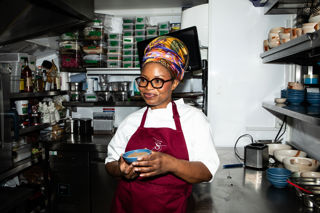
The UK’s relationship with African food is evolving. The term ‘African cuisine’ – a pretty useless catchall that tries to lump a vast, varied continent into a single thing – is still prevalent, but chefs like Maria Bradford are leading the charge in highlighting the differences and unique characteristics of the 54 cuisines found within it. Originally from Freetown, Sierra Leone’s capital, her restaurant Shwen Shwen is where you can find incredible examples of Sierra Leonean cooking through a fine dining lens.
Africa’s most well-known culinary exports to the UK come from West Africa – with the likes of Nigeria and Ghana taking the limelight with jollof, suya, akara and egusi soup. Sierra Leone, in comparison, is smaller and lesser-known on the culinary world stage. That’s changing, especially since Maria won big at the Michelin Guide awards in 2026, being crowned Opening of the Year and winning a Bib Gourmand in the process.
So what is Sierra Leonean cuisine all about? It’s a food culture focused on fresh ingredients and bold flavours. Rice and cassava are the staple carbs; peanuts and peanut butter are ubiquitous in stews and marinades. Fonio (a grain related to millet) is popular too. There’s a lot of umami and deep, savoury flavours, often with roots in fermentation. There is heat, but not as much as you might think; the clean bite of peppercorn is as prevalent as fiery chilli. The coastline provides plenty of fish, but meat plays an important part as well, and the vast majority of dishes are cooked using wood or charcoal, which means smokiness is an integral part of the cuisine’s flavour profile.
Maria has her own West African spice mix, which she uses throughout her menu – even in desserts. It’s a wonderfully fragrant, smoky, fruity combination, with the white heat of peppercorns giving it a bit of a kick.
“We actually call this pépé in Sierra Leone but it’s very very similar to shito, the Ghanaian word for a very similar condiment. It’s an umami-rich chilli sauce with fish in it – either smoked or fried. In Sierra Leone it tends to be fried fish – little tiny fish like herrings which are sold cheaply at the end of the day at the fish markets. You might throw fried prawns in there too, with some chilli, garlic and ginger and some other aromatics. Everything is cooked down for a long time until it reduces into a sort of paste. It then sits on the kitchen table to be eaten with plain rice, or used in cooking.
“Quite a few people don’t have fridges and there are often power cuts for those who do, so it’s never really chilled – instead it’s preserved by being covered with a layer of oil. It’s so delicious; I love using it with lamb at the restaurant because it has an almost anchovy sort of flavour which works so well.”
Please sign in or register to send a comment to Great British Chefs.