The concept of the artist as an outsider is something we have grown used to. We accept the idea that artists challenge convention and rip up the rules of previous generations. Over time, images of rebellion become decoration for mugs, plates and things to buy as souvenirs - the very meaning of the works are often forgotten. Artists like Francis Bacon, Ai Weiwei and Joseph Beuys sell for small fortunes and are often mistaken for brands or badges of taste rather than challengers of authority. For me, it is a given that the creation of great art should provoke and challenge but we don’t expect the food we eat to engage in similar tussles with authority and tradition.
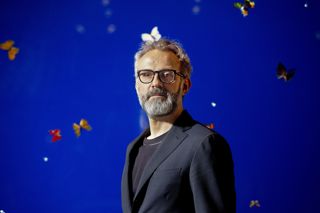
Talking to Massimo Bottura, a chef whose restaurant recently ranked as number 2 in the World’s 50 Best Restaurants, is like talking to a contemporary artist. He holds strong views on the state of his native country, Italy. He is angered by the methods of the past but values the potential of dialogue with previous generations. He sees change as vital to society’s evolution. He sees tradition as something to be pushed against rather than hero worshipped. He sees the possibility of innovation and new approaches. He imagines - through his dishes - new stories that are both highly personal but provocative in a broader sense.
Bottura was in London recently to bring Osteria Francescana, his legendary restaurant in Modena, to Sotheby’s during their July contemporary art sale. His food was served alongside the works of Francis Bacon, Andy Warhol and Lucio Fontana and his dishes were in part inspired by these great artists. He has had a long relationship with art and has not only acquired work by Ai Weiwei but treats his guests to a revolving collection of art from the likes of Joseph Beuys through to Gavin Turk. His restaurant, in its previous incarnation, had a strong relationship with artists and in the early days, local artists traded works for meals and cases of wine.